


Snowmobiling offers one of winter's most exhilarating outdoor adventures, combining speed, scenic beauty, and the thrill of navigating snowy terrain. While many riders underestimate the physical demands, preparing your body for a full day of snowmobiling is key to maximizing both performance and enjoyment. A dedicated focus on fitness, nutrition, and proper gear selection will ensure you're ready for extended outings.
Improve Cardiovascular Fitness
Cardiovascular conditioning lays the foundation for snowmobile preparation since your heart and lungs work overtime in cold conditions. This is partly because cold air requires more energy to warm and humidify before reaching your lungs, placing additional strain on your respiratory system. As a result, your heart rate increases to maintain core body temperature, especially during the first hour of exposure to frigid conditions.
Short bursts of intense effort followed by recovery periods mirror the physical demands of navigating challenging terrain. They also resemble the effort required to accelerate through snow or maneuver around obstacles.
Exercises To Do
Running, cycling, and rowing provide excellent cardiovascular benefits while mimicking the sustained effort required during long rides. Aim for 30-45 minute sessions at moderate intensity three to four times per week in the months leading up to snowmobile season.
Start Strength Training
Core stability becomes crucial when you're bouncing over moguls, leaning into turns, and maintaining balance on uneven terrain for hours. Maintaining stability on a snowmobile requires continuous core engagement to absorb the impacts of uneven terrain. Without strong core muscles, you may tire more quickly, compromising control and increasing the risk of injury on extended rides.
Leg strength is important for endurance and control while snowmobiling. Your legs provide the primary connection between your body and the machine, absorbing shocks while helping steer through deep snow.
Core Exercises To Do
Planks, Russian twists, and dead bugs target the deep stabilizing muscles that keep you centered on your snowmobile. Likewise, mountain climbers add dynamic movements that simulate the quick adjustments required when navigating challenging terrain. Perform these exercises in circuits, holding planks for 30-60 seconds and completing 15-20 repetitions of dynamic movements.
Leg Exercises To Do
Squats, lunges, and single-leg exercises build the muscular endurance needed to maintain a proper riding position throughout long days on the trails. Focus on higher repetition ranges (15-25 reps) rather than maximum weight to develop the sustained strength snowmobiling demands.
Work on Your Flexibility and Mobility

Cold weather naturally reduces muscle flexibility and joint mobility, making injury prevention through stretching routines even more critical. Tight muscles typically respond poorly to sudden movements required to avoid obstacles or recover from unexpected terrain changes. Regular stretching maintains the range of motion needed for proper riding technique and reduces muscle fatigue during extended sessions.
Stretches To Do
Prolonged sitting on snowmobiles can lead to tightness in the hips, shoulders, and neck, making regular stretching essential for better mobility and comfort on the trails. Begin by stretching your core and hips. For example, deep lunges stretch the psoas muscle, making it an excellent choice for snowmobile riders. You can also try the pigeon pose or half-pigeon to stretch your hip flexors. Additionally, consider a gentle spinal twist or a cat-cow stretch to engage your core.
You'll also want to stretch your neck and shoulders by doing:
- Neck Rolls: Gently roll your neck in both directions to release tension from gripping handlebars.
- Shoulder Shrugs: Loosen shoulder muscles and improve posture after long rides.
- Doorway Chest Stretch: Counteract forward head posture by stretching your chest and shoulder muscles.
Dynamic warm-up movements before rides can further activate these areas, ensuring you're ready for the demands of snowmobiling.
Try Endurance Training
Muscular endurance differs from cardiovascular fitness, focusing on your muscles' ability to perform repeated contractions over extended periods. Snowmobiling demands sustained muscle engagement for balance, steering, and shock absorption that tests this specific type of fitness. Your grip strength, forearm muscles, and postural muscles must function effectively for hours without significant fatigue.
Moreover, functional movement patterns that mimic snowmobiling positions help develop sport-specific endurance. Farmer's walks with moderate weights simulate the grip strength needed for handlebar control. Wall sits build leg endurance for maintaining riding position, while stability ball exercises challenge your balance and core endurance simultaneously.
Exercises To Do
Circuit training combines strength and endurance elements while simulating the varied demands of snowmobiling. Create circuits that include bodyweight exercises such as push-ups, squats, and planks, performed for time rather than repetitions. This approach builds the muscular endurance needed to maintain control and proper form throughout long riding sessions.
Nourish Your Body
Being in cold weather can mask dehydration symptoms while your body loses fluids through respiration in dry winter air. Dehydration impairs physical performance, reduces concentration, and increases susceptibility to cold-related injuries. Begin drinking water well before your ride and continue throughout the day, even when you don't feel thirsty.
Additionally, pre-ride nutrition should emphasize sustained energy release from complex carbohydrates and adequate protein intake. Oatmeal with nuts, whole-grain toast with peanut butter, or Greek yogurt with granola provide the fuel needed for extended physical activity. As you plan your meals, avoid heavy, high-fat meals that divert blood flow from working muscles to digestion.
Pack for Your Trip
Trail snacks must balance convenience with nutritional value while remaining manageable in cold conditions. As you get ready to hit the trails, pack energy bars, trail mix, and dried fruits into your backpack; these provide simple carbs that your body can quickly convert into energy. Always pack more food than you think you'll need, as cold weather increases caloric demands beyond normal levels.
Wear the Right Gear and Equipment
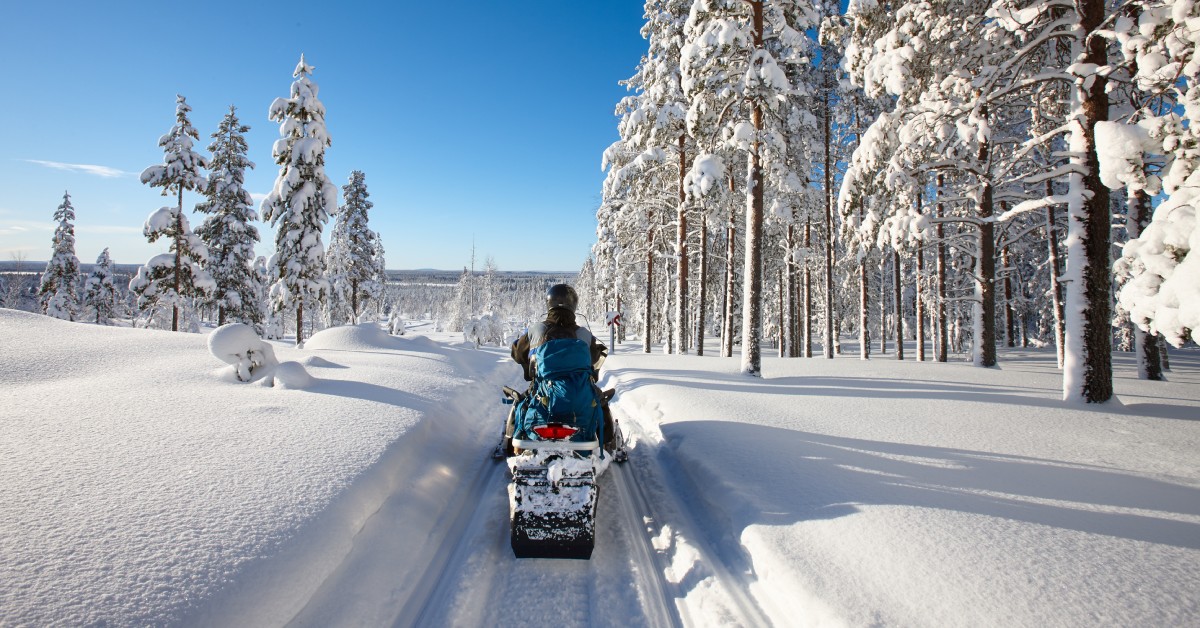
Another important and easily overlooked way to prepare your body for a full day of snowmobiling is to ensure you have cold-weather gear. Dressing appropriately helps maintain body heat, prevent frostbite, and keep muscles warm and flexible throughout your ride. Here are some essentials to consider.
Dress In Layers
Proper layering systems regulate body temperature while allowing freedom of movement necessary for effective snowmobiling. Base layers help keep moisture away from skin, insulating layers trap warm air, and outer shells protect against wind and snow.
Dressing Tip
Keep cotton materials off your skin during winter activities, as they retain moisture and lose insulating properties when wet.
Wear a Helmet
Helmet selection impacts both safety and comfort during long rides. Modern snowmobile helmets feature advanced ventilation systems that prevent fogging while maintaining warmth. Properly fitted helmets don't shift while riding and allow comfortable wear of protective eyewear or goggles throughout the day.
Buy Boots
Boot choice affects foot warmth and control precision throughout your ride. Insulated, waterproof boots with good traction prevent cold feet while providing the sensitivity needed for throttle and brake control. Avoid boots that are too large, as extra space reduces warmth and compromises your connection to the machine's controls.
Rent Your Snowmobile
Ready to hit the trails and start your adventure? Adrenaline Outdoors has snowmobile rentals in Idaho, so that you can explore Idaho Falls. All equipment comes ready to ride, including helmets—just be sure to dress warmly and wear close-toed shoes. Book your snowmobile today and get ready to conquer the mountains!
More Recent Stories

