All About the Ideal Snow Conditions for Snowmobiling

Fresh tracks sparkle under a clear sky, and the snowmobile engine purrs with that crisp, cold bite in the air. Perfect days rarely come by accident, though. Snow depth, texture, temperature, and terrain all shape how a snowmobile handles, how fast it runs, and how safe a route feels. Riders who dial in the right conditions find more flow, fewer surprises, and better memories.
Weather swings change the snowpack hour by hour, and grooming schedules transform rutted routes into velvet. Riders who know all about the ideal snow conditions for snowmobiling plan smarter days and keep the fun high when temperatures drop.
Fresh Powder vs. Packed Snow
Fresh snow conditions can drastically change how a snowmobile handles, how fast you can go, and how enjoyable the ride feels. Understanding the difference between loose powder and packed snow helps riders choose the right trail and technique for the day.
Fresh Powder
Powder sits loose and fluffy after a fresh snowfall. It feels playful, absorbs chatter, and rewards riders who like to carve and float. Powder favors off-trail play, tree meadows, and soft, controlled turning. Riding in powder encourages careful throttle work and a calmer tempo.
Packed Snow
Packed snow settles under grooming, traffic, or a warm-cold cycle. During a ride, it feels fast, consistent, and predictable, especially on marked trails with clear sightlines. Additionally, packed snow suits high-speed trail riders who want crisp steering and reliable braking. It allows longer, smoother miles at higher speeds.
Snow Depth Matters
Snow depth affects both safety and performance on every ride. A trail base of 6–12 inches provides enough coverage to protect skis and tracks from rocks, stumps, and frozen ruts, while deeper snow helps a sled float and maintain traction off-trail.
Generally, a consistent 6–12-inch base on groomed trails is ideal for beginners since it offers predictable handling and fewer surprises. Experienced riders seeking deep snow look for areas with a stable base topped by fresh powder, which supports float and allows the chassis to plane smoothly. By contrast, shallow coverage increases the risk of core shots and sudden hits that can bend A-arms or damage the track.
Temperature and Snow Quality
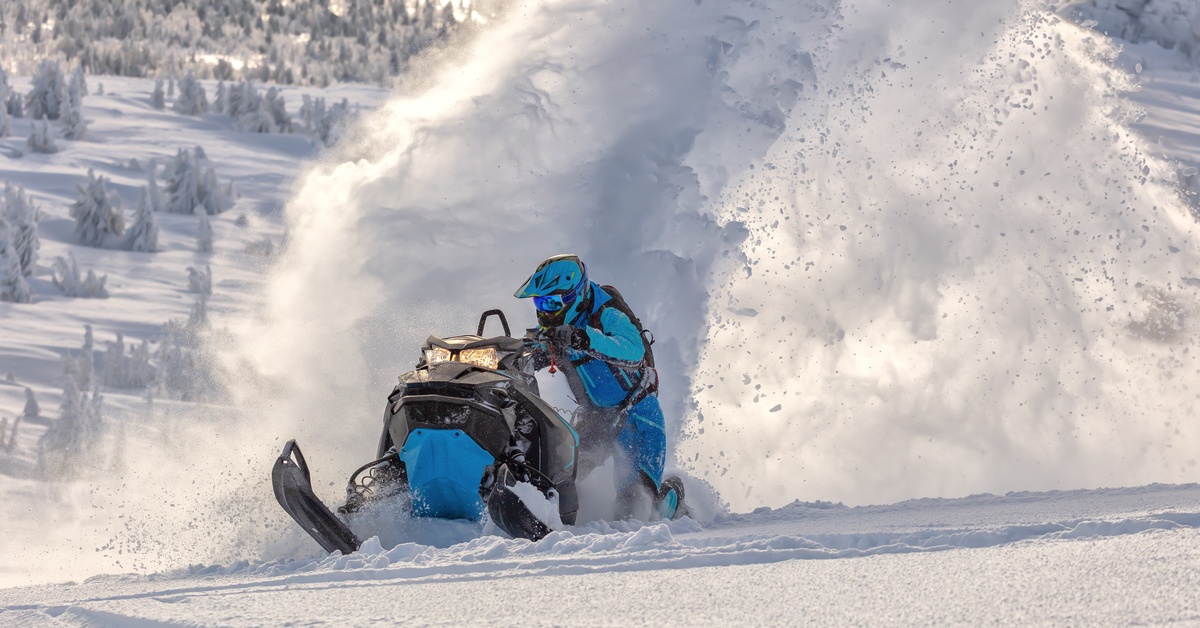
Temperature has a big impact on snow texture and how a snowmobile handles. Cold, dry snow below 20°F stays powdery, reducing drag and allowing slides to flow quickly. Warmer snow above 30°F holds more moisture, becomes heavier, and grips the sled’s skis and track more firmly, slowing acceleration and increasing stress on the engine and suspension.
Riders can adapt by easing the throttle in cold, powdery snow to avoid trenching and by maintaining steady momentum in warmer, heavier snow to prevent bogging. On warm, sticky days, it’s also important to plan shorter runs, take frequent cool-downs, and check sliders and track components afterward to reduce wear and overheating.
Ice Layers and Crusts
Thaw-freeze cycles create ice layers under a new snowfall, and wind slabs can crust the surface after storms. These layers add a slick, unpredictable feel that makes it harder for the snowmobile to turn and brake. Hidden ice on corners invites slides that push a sled wide and into trouble.
Scan for a glassy sheen on hardpack and for a breakable crust that catches skis. Test traction on safe, open flats before committing to steep lines or tight trees. Early-season riding often brings crusty conditions and thin coverage, which call for patient throttle and wider margins.
Wind Effects on Trails
The wind also plays a big role in the ideal snow conditions for snowmobiling; strong winds can create drifts, scours, and feathered ridges that complicate riding. For instance, a gusty night might pile soft snow along leeward edges while stripping crests down to ice or dirt. Drifts catch a ski and throw balance off, and deep pockets trap the track and suck momentum.
Hold a speed that matches sightlines, and favor the wind-loaded side only when it holds enough support. Likewise, watch for cornices near ridgelines and drift pillows in cutbanks and meadows.
Pro Tip
A calm morning after an overnight blow often reveals new lines and hazards that deserve a cautious first pass.
Avalanche Risk in Backcountry Areas
Backcountry zones demand avalanche awareness, especially after rapid loading from new snow, wind transport, or a sharp warm-up. Local avalanche forecasts offer daily insights about problem layers, slopes, and aspects. Partners who talk through plans, spacing, and escape routes keep risk lower and decisions clearer.
Some of the gear you should have and know how to use include the following:
- An avalanche beacon with fresh batteries
- A shovel sized for real digging
- A probe of adequate length for local snowpacks
- An airbag pack if terrain and budget allow
- First-aid and basic repair kits
After equipping yourself with the proper gear, it’s important to stay vigilant while on the trail. Watch for warning signs such as shooting cracks, recent slides, hollow “whoomph” sounds, and rapid warming on sunlit slopes. When any of these signals appear, adjust your route to more conservative terrain and avoid risky slopes.
Trail Maintenance and Grooming
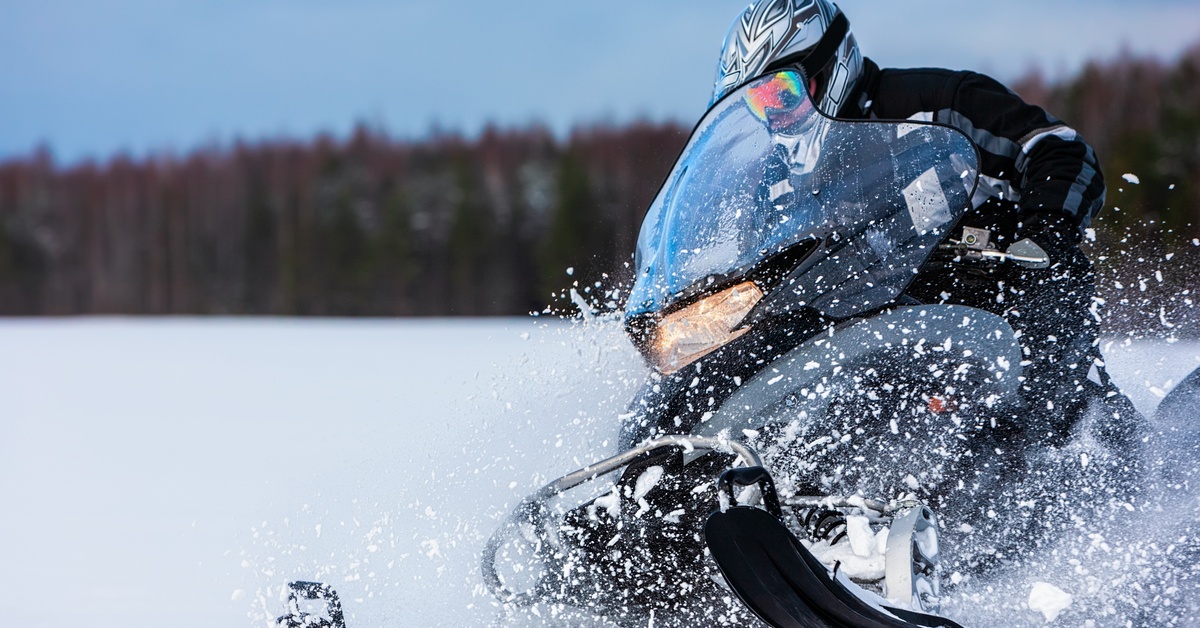
Groomed trails provide a smoother, more predictable surface with uniform corners and fewer hidden hazards, allowing sleds to track straighter, suspensions to cycle cleanly, and riders to experience less fatigue. Chatter and whoops are minimized, making long rides more enjoyable and easier to navigate at higher speeds.
Ungroomed routes, on the other hand, can change quickly throughout the day. Soft pockets, ruts, and exposed obstacles form after traffic or weather events, making the ride more challenging and unpredictable. Riders must remain alert and adjust their speed and line choices to match conditions.
Timing of Snowfalls
Fresh snow lifts spirits and softens the ride, yet it lowers visibility and hides trail edges, ditches, and creek crossings. A day of settlement often produces the sweet spot: soft coverage over a supportive base and clearer track definition. Early morning after an overnight storm can feel magical, but midmorning often brings safer sightlines.
Pro Tip
Give plows, groomers, and patrollers time to work, and check wind reports that describe drifting after the storm ends.
Seasonal Changes in Snow
Early Season
Early-season conditions often bring thin snow bases, crusty mornings, and a higher chance of core hits where brush and rocks sit just under the surface. Riders should approach trails cautiously and consider protective skid plates to avoid damage.
Mid-Season
Mid-season usually delivers the sweetest mix of deep powder, steady grooming, and colder temperatures that favor fast slides. This is the ideal time for powder hunting, enjoying long trail days, and riding at higher speeds with confidence.
Late Season
Late-season snow tends to turn wet and heavy by midday, which can sap speed and put extra stress on cooling systems and the sled’s drivetrain. Careful route planning and attention to changing snow conditions are key during this period.
Rent Your Snowmobile
Adrenaline Outdoors offers a variety of outdoor vehicles, including snowmobiles and boat rentals in Idaho Falls. Whether you’re chasing powder on the trails or exploring the lakes, our fleet and gear make it easy to enjoy the ride safely and comfortably. Our experienced staff can help match you with the right vehicle for your adventure. Book your ride today and get ready to hit the trails!
More Recent Stories